Liposuction Farmington Hills: A Local Guide to Body Sculpting Options
For many people, the hardest part of body contouring is not the procedure itself. It is sorting through mixed advice, glossy before and after galleries, and the quiet pressure to make a quick decision. When patients start researching Liposuction Farmington Hills options, they are usually not chasing perfection. They are trying to solve a very specific problem: a pocket of fat that has stayed put despite steady workouts, a careful diet, and months or years of frustration.
That distinction matters. Liposuction is not a substitute for healthy habits, and it is not a cure for weight gain. It is a shaping procedure. In experienced hands, it can refine proportions, improve the way clothing fits, and address areas that tend to resist even disciplined routines. The best candidates understand that from the start, which often leads to better decisions and more realistic satisfaction afterward.
In a community like Farmington Hills, where patients have access to both suburban convenience and nearby metro-area specialists, the choices can feel broad. Some practices focus heavily on cosmetic surgery. Others offer a mix of surgical and nonsurgical treatments. Some emphasize a boutique feel, while others operate more like large medical centers. The right fit usually comes down to medical judgment, safety standards, communication style, and whether the surgeon seems more interested in long-term outcomes than quick bookings.
What liposuction actually does, and what it does not
Liposuction removes fat cells from targeted areas using a small cannula and suction. Once those fat cells are removed, they do not grow back in the same way. That does not mean future weight changes become irrelevant. Remaining fat cells can still enlarge, and body shape can shift over time with hormones, aging, medications, pregnancy, and lifestyle changes.
This is one of the most common misunderstandings I see when discussing body contouring. A patient may say, “I just want my stomach flatter,” but when the conversation gets more detailed, the real issue may be loose skin after weight loss, muscle separation after pregnancy, or generalized weight gain rather than a discrete fat deposit. Liposuction works best when the skin still has decent elasticity and the concern is primarily excess fat, not laxity or structural changes beneath the skin.
That is why a thorough in-person assessment matters so much. Two people can have what looks like the same complaint in photos and need very different plans. One may benefit from liposuction alone. Another may need skin tightening, an abdominoplasty, or no surgery at all if the expected improvement would be too subtle to justify the recovery and cost.
Why local consultation quality matters in Farmington Hills
There is a practical side to staying local for cosmetic surgery that often gets overlooked. Body contouring is not just about the hour or two spent in a procedure room. It is about the full process, from consultation through follow-up. Choosing a practice in or near Farmington Hills can make that process easier in very ordinary but important ways.
Preoperative visits are simpler when you do not have to block out half a day for traffic. Postoperative checks are less stressful if you can get to the office quickly. If a small concern comes up, such as increased swelling on one side, a question about compression garments, or a spot that needs to be examined, local access has real value.
It also helps when the surgeon understands the rhythms of the local patient base. In suburban communities, people often schedule procedures around school breaks, family caregiving, business travel, and Michigan weather. Winter can be surprisingly convenient for recovery because looser clothing and a naturally indoor routine make compression garments and downtime easier to manage. Summer has its appeal too, but swelling, heat, and social obligations can make recovery feel a bit less comfortable.
Common treatment areas patients ask about
In most cosmetic practices, the same zones come up again and again. The abdomen and flanks remain the most frequent requests because even a modest amount of contouring there can noticeably change the waistline. The outer thighs, inner thighs, upper arms, back, and submental area beneath the chin are also common.
Each area behaves differently. Abdominal liposuction can sharpen the waist, but it depends heavily on skin tone and the underlying abdominal wall. Flank treatment often creates one of the most satisfying shape changes because it improves the transition between the waist and hips. Inner thigh liposuction can help with rubbing and clothing fit, though it has to be approached carefully because the skin can be delicate and prone to unevenness if too much fat is removed. Arm liposuction can be effective, but it requires honest discussion about skin laxity because volume reduction without enough skin retraction can create a deflated look rather than a firm one.
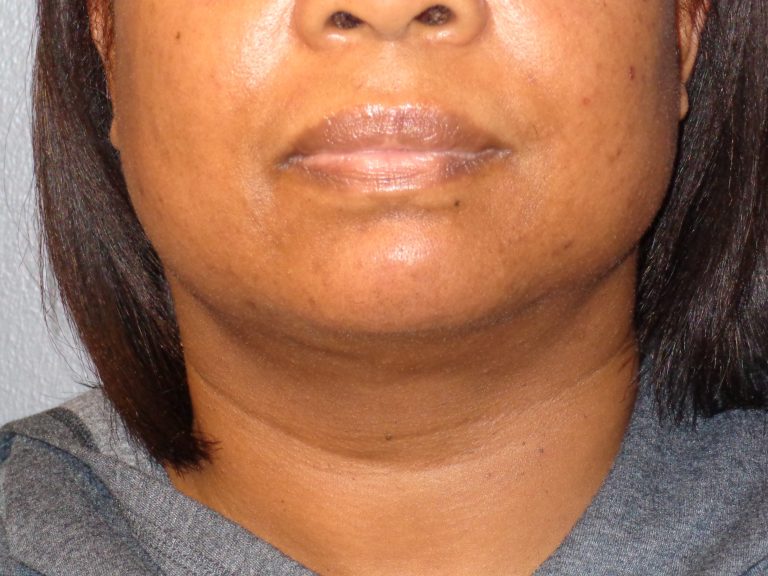
The chin deserves separate mention because it is a smaller area with outsized visual impact. A well-selected patient with good skin elasticity can see meaningful improvement in profile definition from a relatively focused procedure. On the other hand, fullness under the chin is not always just fat. Sometimes it is anatomy, posture, or skin quality, and the right plan may involve more than simple suction.
Techniques you may hear about during a consultation
Patients often come in asking about a branded method they saw online. That is understandable, but technique names can distract from the more important question, which is whether the method suits your anatomy and your surgeon uses it consistently and safely.
Tumescent Liposuction Farmington HIlls michellehardawaymd.com liposuction is the foundation of many modern procedures. A solution is placed into the treatment area to help with anesthesia, bleeding control, and fat removal. Suction-assisted liposuction remains common and effective. Some surgeons also use power-assisted devices, which can make fat removal more efficient in certain areas. Ultrasound-assisted or laser-assisted approaches are marketed for specific benefits, though the real-world value depends on the patient, the area treated, and the operator’s skill rather than the device label alone.
In practical terms, patients usually benefit more from asking how the surgeon plans contour, manages symmetry, and protects smoothness than from fixating on a machine name. A beautifully balanced result comes from judgment, restraint, and technical consistency. Over-aggressive removal can create grooves, waviness, or unnatural transitions that are much harder to fix than a slightly conservative first result.
The consultation should feel specific, not scripted
A strong consultation does not feel like a sales pitch with a preloaded package. It should feel like a careful matching process between goals, anatomy, and realistic outcomes. If you are exploring Liposuction Farmington Hills practices, pay attention to whether the conversation becomes more individualized as it goes on.
A good surgeon typically examines you standing up, looks at proportions from multiple angles, and discusses where contouring would help and where it may not. They should explain what liposuction can improve, what it cannot correct, and whether another procedure would better address your concern. If the answer is “you are not a great candidate,” that can actually be a sign of sound judgment.
The best consultations also touch on the details patients forget to ask. How much bruising is typical for the areas being treated? How long will swelling distort the result? Will you need help the first night? What kind of compression garment is used, and for how long? When can you return to desk work, workouts, or lifting children? These practical points shape the experience far more than a polished brochure does.
Cost in the Farmington Hills area, and why quotes vary
Liposuction pricing can vary widely based on several factors, including the number of areas treated, whether the procedure is performed under local anesthesia or general anesthesia, the complexity of contouring, facility fees, and the surgeon’s experience. In southeastern Michigan, patients often find that smaller single-area procedures may start in the low thousands, while more extensive contouring involving multiple zones can move into the mid to upper four figures or beyond. Exact pricing is impossible to pin down responsibly without an exam, because one person’s “abdomen” may mean a limited lower area and another’s may involve full abdomen plus flanks for a balanced result.
It is worth being cautious with prices that seem unusually low. Cosmetic surgery is one area where bargains can become expensive later. Revision contouring, scar management, prolonged swelling, asymmetry correction, and time away from work all carry costs of their own. Lower pricing is not automatically a red flag, but it should prompt good questions about who performs the procedure, where it takes place, what follow-up is included, and whether the quote covers garments, medications, anesthesia, and postoperative visits.
A more expensive quote is not automatically better either. Some of the most valuable consultations are the ones where the surgeon proposes less than the patient expected, because they know a smaller, well-executed plan will create a cleaner result.
Recovery tends to be more variable than patients expect
Recovery after liposuction is rarely dramatic, but it is also not as effortless as social media can make it appear. Most patients can walk the same day and resume light activity fairly quickly. That said, soreness, swelling, drainage from tiny incision sites, and a temporary feeling of stiffness are very common. The first few days can feel more awkward than painful, especially when getting in and out of bed, putting on compression garments, or trying to gauge how much to move.
For a desk job, some people feel ready within a few days, while others prefer closer to a week depending on how many areas were treated and how much movement their workday requires. More physical jobs need a longer runway. Exercise usually returns in stages, not all at once. Walking often starts early, but intense training, heavy lifting, or high-impact movement generally waits until the surgeon is comfortable with healing progress.
Swelling is the part many patients underestimate. Early results can be encouraging, then seem to plateau or even blur for a while. That is normal. Final contour develops over time, and the timeline depends on the area treated, the amount removed, your baseline circulation, and how your body handles inflammation. It is not unusual for shape refinement to continue for several months.
One patient once described recovery perfectly after flank and lower abdominal treatment: “By day four I felt mostly fine, but I did not feel polished.” That captures it well. You may be functioning before you feel fully presentable or fully like yourself.
The skin question: the issue that changes everything
If I had to pick one factor that most often determines whether a patient loves a liposuction result, it would be skin behavior. Fat can be removed. Skin has to contract. When it does, contour looks smooth and natural. When it does not, the result can feel underwhelming even if the fat reduction was technically successful.
Age alone does not decide this. I have seen younger patients with surprisingly lax skin and older patients with good tone. Weight history, pregnancy, stretch marks, sun exposure, genetics, and the thickness of the skin all play a role. This is why surgeons sometimes recommend combining procedures or choosing a different option altogether.
Patients are often relieved when this is explained clearly. Many worry that a surgeon suggesting more than liposuction is simply upselling. Sometimes that is a fair concern in cosmetic medicine, but often the opposite is true. Recommending against isolated liposuction in a patient with significant laxity can be the more ethical move because it avoids spending money on a result that may not meet expectations.
How to evaluate a surgeon without getting lost in marketing
A well-designed website can be helpful, but it should never be the main basis for choosing someone to perform surgery. Cosmetic practices are good at presentation, and presentation is not the same as judgment. For anyone comparing Liposuction Farmington Hills providers, a better approach is to focus on the quality of the medical interaction.
Here are the signs I would pay attention to during your search:
- The surgeon explains limitations as clearly as benefits.
- Before and after photos look consistent, not heavily filtered or oddly cropped.
- The practice discusses recovery honestly, including swelling and uneven early phases.
- You understand who performs the procedure, where it is done, and what follow-up looks like.
- You leave knowing why the plan fits your body, not just what it costs.
Those points sound simple, but they reveal a great deal. Patients tend to do best when they choose surgeons who are willing to be precise, a little conservative, and occasionally disappointing in the short term if it means avoiding a poor long-term result.
What nonsurgical treatments can and cannot replace
A lot of people arrive at liposuction after trying noninvasive fat reduction, skin tightening, or injectable options. Sometimes those treatments are appropriate. Sometimes they are not enough. The challenge is that nonsurgical body treatments often promise subtle change with little downtime, which sounds ideal until someone has already spent a significant amount and still feels unchanged in clothing.
The right comparison is not surgery versus no surgery in abstract terms. It is the amount of correction needed versus the amount of correction a treatment can realistically deliver. If the issue is a small area and you are highly motivated to avoid downtime, a nonsurgical option may be worth discussing. If the goal is a noticeable reshaping of the waistline or a clearer reduction of fullness in a resistant area, liposuction usually offers a more direct and visible result.
That does not mean surgery is always the better value. It means the expected endpoint should match the method. A modest treatment can be satisfying when the patient wants modest improvement. It becomes disappointing when the marketing implied something closer to surgical contouring.
Safety, setting, and the details that deserve more attention
When people picture cosmetic surgery safety, they often think only about the surgeon’s credentials. Those matter, but the setting matters too. Liposuction may be done in an office-based surgical suite, an ambulatory center, or a hospital setting depending on the extent of treatment and the practice model. Patients should understand what kind of anesthesia is planned, who is administering it, and what monitoring is in place.
Medical history is equally important. Smoking, diabetes, clotting disorders, certain medications, prior abdominal surgery, major weight fluctuations, and a history of poor scar or wound healing can all affect planning. Even seemingly routine factors, such as how much travel you do for work or whether you live alone, can shape postoperative logistics.
It is wise to prepare your recovery environment before surgery. Loose clothing, easy meals, help with children or pets if needed, and a realistic work calendar can make the first week much smoother. The procedure may be elective, but recovery goes better when handled with the seriousness of any medical event.
A realistic timeline from research to final result
Most patients move through this process in phases. First comes a research period that can last weeks or months. Then there is consultation and decision-making. Surgery itself is just one date on the calendar. The visible result evolves in layers.
The first phase after surgery is about healing. Bruising fades, soreness settles, and swelling starts to turn a corner. The second phase is patience. Clothes may fit differently before the treated area looks photograph-ready. The third phase is refinement, where the shape gradually sharpens and the result begins to look integrated rather than newly altered.
This longer timeline is one reason timing matters. If you have a specific event such as a wedding, vacation, or reunion, build in more lead time than you think you need. Few patients regret giving themselves extra months for swelling to settle. Many regret scheduling too close to a hard deadline.
Why expectations shape satisfaction more than most people realize
The happiest liposuction patients are often not the ones who expect the biggest transformation. They are the ones who know exactly what bothers them and recognize what a focused contouring procedure can do. They want the waistband to sit better, the bra line to smooth out, the jawline to look cleaner in profile, or the thighs to fit clothing more comfortably. Those are specific, achievable goals.
Disappointment often grows from vagueness. If someone wants to “look completely different,” surgery is carrying too much emotional weight before it even begins. Cosmetic procedures can be meaningful, confidence-building, and worth the investment. They are still tools, not resets.
That is especially important in body contouring because the best results often look natural rather than dramatic. Friends may notice that someone looks fitter or more balanced without immediately identifying why. For many patients, that understated shift is exactly the point.
Making the decision in a way you will feel good about later
If you are considering Liposuction Farmington Hills practices, give yourself permission to slow down. A thoughtful cosmetic surgery decision rarely suffers from a little extra time. It often improves because you ask better questions on the second consultation than you did on the first.
A useful way to think through the decision is to weigh a few basic issues:
- Is the concern truly localized fat, or could skin laxity or muscle changes be the bigger issue?
- Are you choosing surgery for a stable, personal reason rather than a short-term event or outside pressure?
- Can you commit to the recovery period, including compression, follow-up, and temporary activity limits?
- Do you trust the surgeon’s judgment even when it is more cautious than the answer you hoped for?
- Will the expected improvement feel meaningful to you, even if it is refinement rather than reinvention?
Those questions are not glamorous, but they are useful. They bring the choice back to anatomy, timing, and long-term satisfaction, which is where it belongs.
A well-chosen liposuction procedure can be one of the more gratifying forms of cosmetic surgery because it addresses a problem many people have wrestled with for years. The key is matching the right patient to the right plan, with a clear view of benefits, limits, and recovery. In Farmington Hills, that means looking beyond convenience and marketing to find careful evaluation, sound technique, and follow-up that supports the whole process. When those pieces line up, body sculpting becomes less about chasing an ideal and more about feeling proportionate, comfortable, and at ease in your own shape.
Aesthetic Plastic Surgery & Laser Center, Michelle Hardaway M.D.
27920 Orchard Lake Rd
Farmington Hills, MI 48334
(248) 221-1957
FAQ About Liposuction Farmington Hills
What disqualifies you from getting liposuction in Farmington Hills?
A surgeon may recommend postponing or avoiding liposuction if a health condition, medication, or nicotine use raises the risk of surgery or poor healing. A consultation is needed to assess your medical history and whether the procedure fits your goals.
Can liposuction remove 20 pounds?
Liposuction is a body contouring procedure for localized fat. It is not a weight loss treatment, and a specific number of pounds is not a safe or useful target. The surgeon determines how much can be removed safely for each patient.
What are the risks of liposuction?
Risks include infection, changes in sensation, uneven contours, and complications from anesthesia or blood clots. A plastic surgeon can explain which risks apply to you and what to expect during recovery.