Liposuction Michigan for Sculpting the Midsection Effectively

The midsection is where many body contour concerns become personal. A patient may feel comfortable in fitted jackets, dresses, or tailored shirts, then turn sideways in the mirror and fixate on the lower abdomen. Someone else may maintain a steady weight, exercise four or five days a week, and still notice fullness around the waist that refuses to change. In practice, this is one of the most common reasons people start looking into liposuction.
When patients ask about Liposuction Michigan options for the abdomen and waist, the real question is rarely just, “Can fat be removed?” It is usually more specific. They want to know whether they can narrow the waist without looking overdone, smooth a stubborn lower-belly pouch without creating irregularities, or improve the transition between the abdomen, flanks, and back. Effective midsection sculpting depends on those details. The best outcomes come from careful planning, a realistic understanding of anatomy, and a treatment plan that suits the quality of the skin as much as the amount of fat.
Why the midsection is uniquely challenging
The abdomen is not a single flat surface. It is a dynamic area that bends, twists, expands after meals, changes with age, and responds differently after pregnancy or weight fluctuation. A surgeon contouring the midsection is not simply removing volume. The work is closer to shaping a three-dimensional form that has to look natural while standing, sitting, and moving.
That matters because the eye notices transitions more than isolated spots. A patient may focus on the belly button area, but if the flanks remain full, the waist can still look boxy. If the upper abdomen is aggressively suctioned while the lower abdomen is treated conservatively, the contour may appear disconnected. The opposite is also true. Over-treating the lower abdomen in someone with lax skin can make looseness more obvious.
In Michigan, where wardrobes shift dramatically across seasons, this concern comes up often. Thick winter clothing may hide the silhouette for part of the year, but fitted summer clothes, swimwear, and lighter fabrics tend to expose even subtle contour issues. Patients are not usually seeking a dramatic transformation that looks artificial. Most want a cleaner waistline, smoother clothing fit, and better definition that still looks like their own body.
What liposuction can do well
Liposuction is best at removing localized fat deposits and improving shape. For the right candidate, it can slim the upper abdomen, soften a lower abdominal bulge, contour the waist, and reduce fullness along the flanks that contributes to a thicker silhouette. It is especially effective when the skin has enough elasticity to contract after fat is removed.
That last point deserves emphasis. Good skin elasticity can make a moderate amount of liposuction look impressive. Poor elasticity can limit the visible benefit, even when a fair amount of fat is removed. This is why two patients with nearly identical weight and body mass can have very different recommendations.
A useful way to think about midsection liposuction is that it can refine contour, not rewrite tissue quality. It can reduce depth and projection in fatty areas. It cannot tighten separated abdominal muscles, remove significant hanging skin, or erase every crease in the skin surface. Some patients are ideal candidates for liposuction alone. Others do better with a tummy tuck, or a combined approach, because the issue is not fat by itself.
The difference between fullness and laxity
Many people assume any protrusion in the abdomen must be fat. In reality, three issues often overlap: subcutaneous fat under the skin, looseness of the skin itself, and internal abdominal wall laxity. The first can respond well to liposuction. The second may improve somewhat if elasticity is good, but not reliably if stretch marks, wrinkling, or loose overhang are already present. The third, often seen after pregnancy or major weight changes, usually requires surgical tightening if the goal is a flatter abdominal profile.
This distinction comes up often in consultation. A patient may pinch an inch or two of lower belly tissue and assume liposuction will flatten everything. Sometimes that is true. Other times, what they are seeing is only part fat and part skin redundancy. If the belly projects because the abdominal wall is stretched, suctioning the outer fat layer alone can leave the same basic outward contour.
An experienced surgeon will assess the tissue in motion, not just at rest. Standing posture, the way the skin rebounds after being pinched, the degree of lower abdominal drape, and the relationship between the abdomen and flanks all influence the plan. Midsection sculpting is not one decision. It is a sequence of judgments.
Where liposuction tends to help the most
The best abdominal results usually come from treating zones that work together visually. The central abdomen matters, but the flanks often make the biggest difference in the appearance of the waist. When flank fullness is reduced, the torso can look narrower even if the total volume removed is modest. This is one reason patients sometimes say their clothes fit better through the middle after what they thought was “side” contouring.
The upper abdomen can also respond nicely, particularly in patients who carry a pad of fat above the belly button. Care is needed here. Too little treatment leaves fullness; too much can create an unnaturally etched look or reveal surface irregularity. The lower abdomen often requires the most restraint because it is where skin quality problems tend to show up first.
Some patients benefit from extending treatment slightly into the bra roll or lower back if the overall torso shape is the main concern. That is not always necessary, but when performed thoughtfully, it can improve the continuity of the silhouette from front to side.
What an evaluation should cover
A proper consultation for Liposuction Michigan body contouring should go beyond a quick glance and a price quote. The midsection is too variable for that. A thorough assessment typically covers several specific points:
- Where the fullness is actually located, central abdomen, lower abdomen, flanks, or circumferentially around the torso.
- How much of the concern is due to fat versus skin laxity or muscle separation.
- Whether the patient’s weight has been stable long enough to make surgical contouring worthwhile.
- What scars, pregnancies, prior surgeries, or weight changes may have altered tissue behavior.
- Whether the desired result is subtle refinement or a more dramatic reshaping.
Those details influence not only candidacy, but also surgical technique, expected recovery, and the honesty of the predicted result. In experienced hands, a consultation is as much about ruling out the wrong procedure as it is about confirming the right one.
Technique matters more than many patients realize
Patients often compare liposuction by brand names or device labels, but for midsection sculpting, judgment and technique usually matter more than marketing terms. Different surgeons may use tumescent liposuction, power-assisted liposuction, ultrasound-assisted methods, or other variations. Each can be effective in the right setting. The important question is not whether a practice uses a fashionable device. It is whether the surgeon understands how to sculpt the abdomen conservatively, symmetrically, and in harmony with adjacent areas.
Even small differences in depth and distribution of fat removal can change the Liposuction Michigan result. Over-resection can create hollows, ridges, or an overly skeletonized look. Under-resection can leave the patient feeling unchanged. Uneven treatment can become obvious under side lighting or in fitted clothing. The abdomen is unforgiving in that sense.
This is why before-and-after photographs should be studied carefully. Look for consistency, not just a single dramatic result. The best photos show smoother transitions, better waist definition, and natural contours from multiple angles. If every after photo looks aggressively carved, that style may not suit every patient. If the results appear modest to the point of barely noticeable change, the surgeon may be treating too conservatively for some goals.
What “effective” really looks like
Patients often come in with a mental image shaped by edited photos, gym culture, or celebrity aesthetics. Effective midsection liposuction does not always mean a visibly etched six-pack. For many adults, especially those balancing work, family, and normal life, success looks more practical. A flatter line under a blouse. Less bulge over the waistband. Better proportion between the ribs, waist, and hips. A profile that looks cleaner without appearing surgically obvious.
One of the most satisfying comments a patient can make after healing is not “I look different,” but “My clothes finally sit the way I wanted them to.” That sounds modest, but it reflects a strong outcome. Good contouring should integrate into a person’s overall appearance rather than announce itself.
The role of recovery in the final result
Recovery influences satisfaction more than many people expect. Swelling through the abdomen and flanks can be substantial in the first days and can linger in milder form for weeks or longer. This is particularly frustrating for patients who expect to look instantly smaller. They often are smaller, but fluid and tissue response can temporarily blur the result.
Compression garments are commonly used because they help support the tissues as swelling settles. Activity usually resumes in stages. Many people can return to desk work within several days to about a week, depending on the extent of treatment and their comfort level. More strenuous exercise typically waits longer. The exact timeline varies, and good surgeons tend to be specific rather than vague.
The abdomen also has a habit of healing unevenly at first. One side may look more swollen. The lower belly may stay firm longer than expected. Small contour changes can continue to refine over a few months. Patients who understand this process tend to feel calmer and make better decisions during recovery.
Who tends to be happiest with abdominal liposuction
The happiest patients usually share a few traits. Their weight is relatively stable. They have specific localized fullness rather than generalized obesity. Their skin still has some recoil. They understand that surgery can improve shape but not replace nutrition, exercise, or core strength. Most importantly, they want improvement, not fantasy.
On the other hand, frustration is more common when someone expects liposuction to solve every issue in one step. If the abdomen has loose skin, a C-section shelf, stretch-related laxity, and significant muscle separation, liposuction alone may leave the patient disappointed, even if the fat removal was technically sound. Proper patient selection is not a formality. It is one of the strongest predictors of a good outcome.
When liposuction alone may not be enough
There are situations where another procedure may be more effective for the midsection. A tummy tuck is often the better option when skin hangs, the lower abdomen bunches, or the abdominal wall has stretched enough to create a rounded profile independent of surface fat. Some patients need both approaches, with liposuction used to contour surrounding areas while excisional surgery addresses the central abdominal tissues.
Liposuction MichiganThis can be a difficult conversation because many patients prefer the smallest possible procedure. That is understandable. Liposuction involves smaller incisions and generally a different recovery profile than a tummy tuck. But choosing the less invasive option only makes sense if it can realistically achieve the goal. A restrained, honest recommendation is usually the sign of a surgeon protecting the long-term result rather than selling convenience.
Questions worth asking at a consultation
A strong consultation is a two-way conversation. Patients do better when they ask pointed, practical questions instead of focusing only on cost or the number of liters removed. Useful topics include the surgeon’s plan for the flanks, whether skin quality limits the result, how visible the scars are likely to be, and what level of swelling is typical at two weeks, one month, and three months.
It is also reasonable to ask what the surgeon sees as the main risk to your specific result. That answer can be revealing. An experienced physician might mention skin recoil, asymmetry that existed before surgery, or the possibility that a secondary procedure would be needed to reach a more ambitious contour. These are not red flags. They are signs of realism.
Choosing a provider in Michigan with good judgment
Searching for Liposuction Michigan services can produce a long list of clinics, med spas, and surgical practices. Midsection contouring deserves careful screening. Credentials, operating environment, and experience with body contouring should carry more weight than promotional language.
A few signs of a thoughtful practice are easy to recognize:
- The consultation includes an exam of skin quality, not just a discussion of fat removal.
- Before-and-after photos show multiple body types and more than one viewing angle.
- The surgeon discusses limitations openly, including when liposuction is not the best option.
- Recovery instructions are concrete and specific rather than generic.
- Pricing is clear, but not the centerpiece of the conversation.
In Michigan, seasonal scheduling can affect timing. Many patients prefer surgery in cooler months because compression garments are easier to tolerate and social calendars are lighter. Others choose spring so they are further along in healing by summer. There is no universal best time, but planning around work demands, childcare, exercise goals, and travel often makes recovery smoother.
The subtle art of proportion
The most refined abdominal liposuction results are often the least theatrical. A waist that narrows gradually. A lower abdomen that no longer pushes against clothing. Flanks that stop interrupting the line from ribs to hips. These changes may sound small, but proportion is what makes the eye read a body as balanced.
That is why experienced surgeons often talk about contour instead of volume. Removing more fat is not always better. Sometimes the better choice is to leave a slight softness in one area so the abdomen matches the rest of the torso. Patients who understand this usually appreciate the result more because it looks believable and ages well.
Sculpting the midsection effectively is part technical skill and part restraint. It requires knowing where to subtract, where to preserve, and when to recommend a different operation entirely. For the right patient, liposuction can create a cleaner, slimmer, more proportional middle with a high degree of satisfaction. The key is matching the procedure to the anatomy, not to a trend.
For anyone exploring Liposuction Michigan options, that is the standard worth looking for: a surgeon who studies the entire torso, explains the trade-offs clearly, and aims for a result that still looks natural when the compression garment is gone, the swelling has settled, and real life resumes.
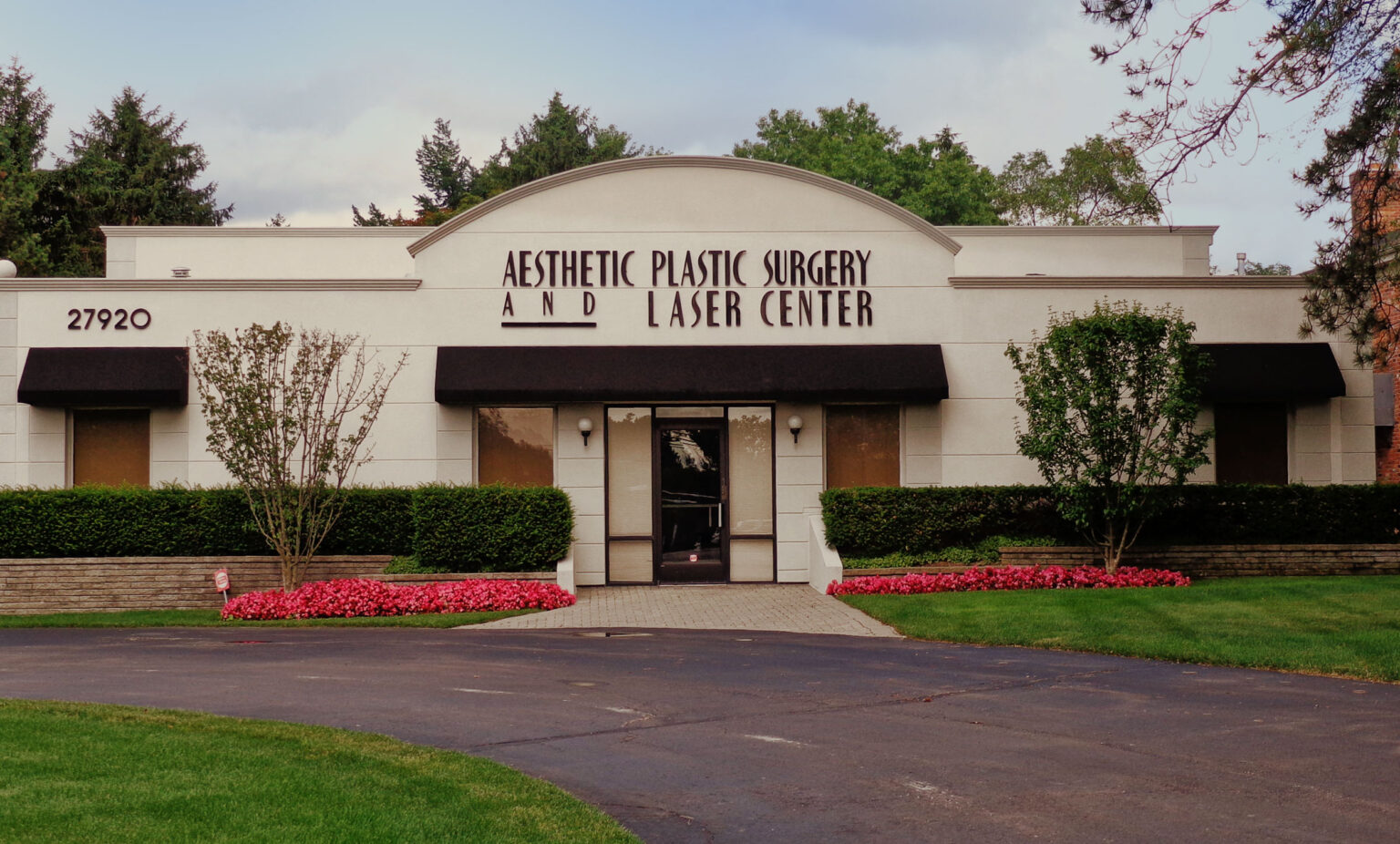
Aesthetic Plastic Surgery & Laser Center, Michelle Hardaway M.D.
27920 Orchard Lake Rd, Farmington Hills, MI 48334, United States
+1 248-221-1957
FAQ About Liposuction Michigan
Is 55 too old for liposuction?
Age 55 alone does not determine suitability. A surgeon evaluates overall health, skin quality, healing risks, and realistic goals. A personal consultation is needed to assess candidacy and discuss alternatives.
What happens 10 years after liposuction?
Contour improvements can last, especially with stable weight. Aging, pregnancy, and weight changes can alter the appearance over time. Results vary, and liposuction does not prevent future body changes.
Can lipo get rid of an apron belly?
Liposuction reduces localized fat but does not remove hanging excess skin. An apron belly may require assessment for a skin-removal procedure instead of, or alongside, fat removal. A qualified plastic surgeon can explain appropriate options and their risks.